
Skin assessment
Skin assessment and peel selection based on type, concern, and downtime tolerance.
Dermatologist-selected peeling treatments using glycolic acid, TCA, salicylic acid, and mandelic acid for acne marks, pigmentation, dullness, and texture.
Chemical peels use controlled exfoliation to remove damaged outer skin layers and stimulate fresh, clearer skin. At Skin Clinic by Dr. Eram Razzaq, peel type and depth are selected after thorough skin assessment — ranging from superficial glycolic and salicylic peels for acne-prone or oily skin to medium-depth TCA peels for significant pigmentation and texture correction.
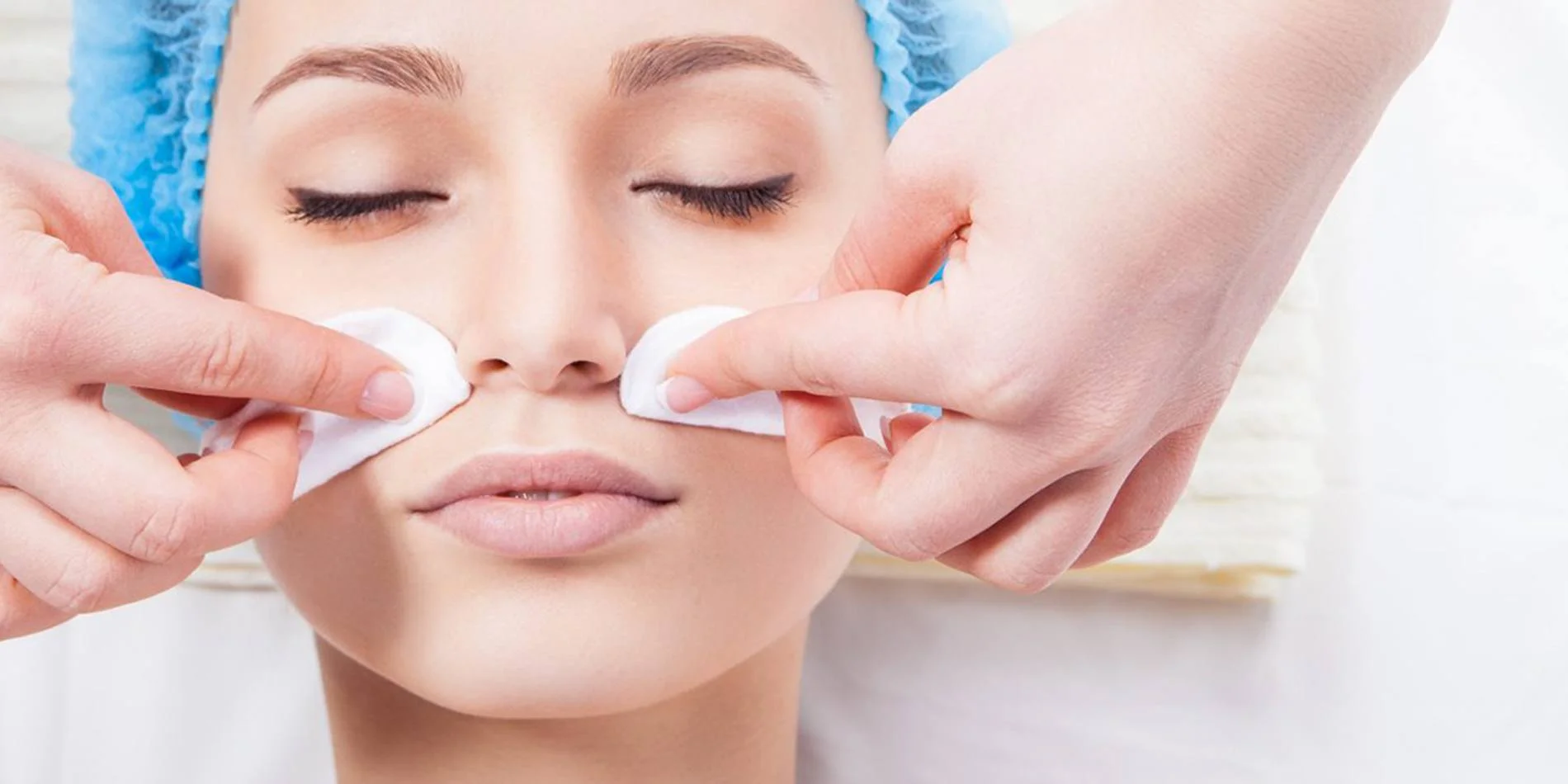
A chemical peel applies a controlled acid solution to the skin surface to remove damaged skin cells and stimulate cellular renewal. At Skin Clinic by Dr. Eram Razzaq, superficial peels (glycolic acid 20-70%, salicylic acid 20-30%, mandelic acid) are used for acne-prone skin, oiliness, and mild pigmentation. Medium-depth peels (TCA 20-35%) address more significant post-acne marks, melasma, and uneven texture. Peel selection is always based on skin type, Fitzpatrick classification, concern, and downtime tolerance.
Suitability is confirmed after skin examination, medical history, lifestyle review, and realistic expectation setting.
Skin assessment and peel selection based on type, concern, and downtime tolerance.
Cleansing, degreasing, and eye protection.
Controlled acid application, timing, and neutralization (if required) by the dermatologist.
Soothing moisturizer, sunscreen application, and home aftercare instructions.
A clear appointment pathway helps you understand assessment, procedure planning, recovery guidance, and follow-up before booking.
Skin assessment and peel selection based on type, concern, and downtime tolerance.
Cleansing, degreasing, and eye protection.
Controlled acid application, timing, and neutralization (if required) by the dermatologist.
Soothing moisturizer, sunscreen application, and home aftercare instructions.
Patient feedback focused on consultation quality, comfort, aftercare guidance, and realistic treatment planning.

“The consultation was clear and calm. I understood what the procedure could do, what it could not do, and how to care for my skin afterward.”
“Dr. Eram checked my skin properly before suggesting treatment. The explanation felt honest and practical.”
“Clean clinic, respectful staff, and simple aftercare instructions.”
“I liked that the treatment plan was not rushed. They explained session spacing, expected recovery, and follow-up clearly.”
“My skin concern was discussed in detail. The team made the complete journey easy to understand, from assessment to aftercare and review.”
These answers are general guidance. Your actual plan depends on examination, skin type, medical history, and treatment suitability.
Superficial peels (glycolic 20-70%, salicylic 20-30%, mandelic) and medium-depth peels (TCA 20-35%) are available — selected based on skin type and concern.
Superficial peels cause minimal flaking. Medium-depth TCA peels cause more visible peeling and flaking over 4 to 7 days.
Yes. Glycolic, salicylic, and TCA peels progressively fade post-inflammatory hyperpigmentation and improve skin tone.
A tingling or warm sensation is normal during application. Most patients find it tolerable without numbing.
Superficial peels typically require a course of 4 to 6 sessions. Medium-depth TCA peels may show significant results in 1 to 3 sessions.
They can help as part of a carefully managed melasma protocol. Sun protection and pre-treatment skin preparation are essential.
No. Sun avoidance and SPF 50 use are mandatory after every peel session to protect new skin and prevent rebound pigmentation.
Superficial peels have minimal downtime (mild dryness). Medium-depth peels need 4 to 7 days of visible flaking and recovery.
Retinol and active ingredients should only be resumed when the dermatologist confirms the skin has fully recovered.
Yes. Peel selection depends on skin type, Fitzpatrick classification, pigmentation type, and the risk of irritation or rebound.
Share your concern and the clinic team will guide you about appointment availability, suitability review, and the next step with Dr. Eram Razzaq.