
Skin assessment
Dermatologist assessment and confirmation that each lesion is suitable for cautery.
Radiofrequency-based removal of skin tags, warts, DPN, moles, milia, and seborrheic keratoses with precision and minimal downtime.
Radiofrequency (RF) cautery uses controlled high-frequency energy to precisely remove benign superficial skin lesions without incisions or sutures. At Skin Clinic by Dr. Eram Razzaq, RF cautery treats skin tags, flat and common warts, dermatosis papulosa nigra (DPN), milia, seborrheic keratoses, and xanthelasma — all confirmed benign by dermatologist assessment before treatment.
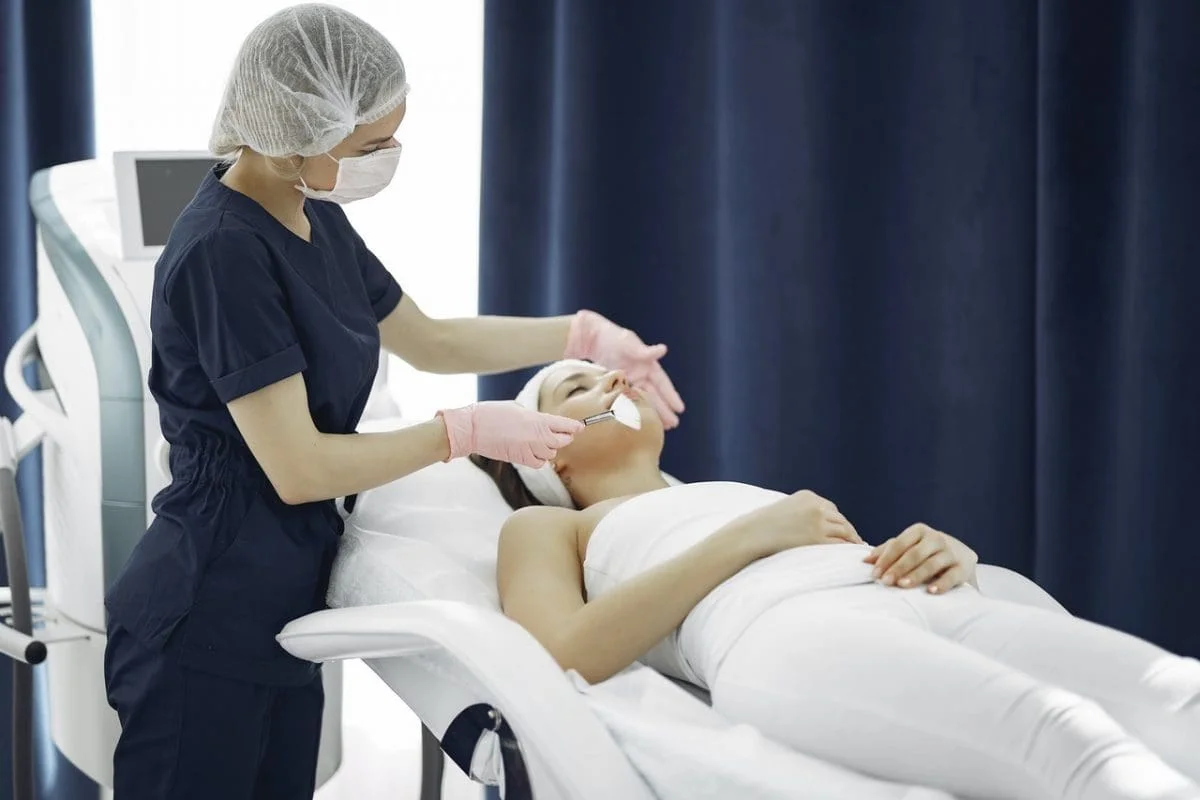
Radiofrequency cautery applies targeted high-frequency electrical energy to superficial skin lesions, vaporizing or coagulating tissue with precision while minimizing damage to the surrounding skin. The treated area forms a small natural scab that separates over 5 to 10 days, revealing healed skin beneath. No sutures are required. It is used for skin tags, flat and common warts, DPN, milia, xanthelasma, and seborrheic keratoses — all assessed by Dr. Eram before treatment to confirm benign diagnosis.
Suitability is confirmed after skin examination, medical history, lifestyle review, and realistic expectation setting.
Dermatologist assessment and confirmation that each lesion is suitable for cautery.
Cleansing the area and injecting local anaesthetic.
RF cautery applied to each lesion with precise, controlled energy settings.
Wound dressing and written aftercare instructions.
A clear appointment pathway helps you understand assessment, procedure planning, recovery guidance, and follow-up before booking.
Dermatologist assessment and confirmation that each lesion is suitable for cautery.
Cleansing the area and injecting local anaesthetic.
RF cautery applied to each lesion with precise, controlled energy settings.
Wound dressing and written aftercare instructions.
Patient feedback focused on consultation quality, comfort, aftercare guidance, and realistic treatment planning.

“Very smooth consultation. Dr. Eram explained why rf cautery was suitable and what I should expect after the session.”
“I was nervous before visiting, but the doctor checked my concern carefully, explained the treatment steps, and gave simple aftercare instructions. The visit felt organized, clean, and professional.”
“Clear guidance and no rushed treatment.”
“The team guided me about session planning, recovery time, and follow-up. I appreciated the realistic expectations instead of over-promising instant results.”
“My concern was discussed in detail, and the clinic team made the whole process easy to understand from consultation to aftercare.”
These answers are general guidance. Your actual plan depends on examination, skin type, medical history, and treatment suitability.
It removes benign skin lesions including skin tags, warts, DPN, milia, moles, and seborrheic keratoses using radiofrequency energy.
No. The area forms a small natural scab that separates and falls off over 5 to 10 days without sutures.
Local anaesthesia is used, making the procedure comfortable. Some mild stinging or soreness may occur afterward as the anaesthetic wears off.
Most benign lesions require only one session. Multiple lesions such as skin tags or DPN are typically treated in the same appointment.
A flat fading mark is possible, particularly with larger lesions. Good aftercare and sun protection significantly reduce this.
Yes. RF cautery treats facial tags, DPN, milia, and confirmed benign warts with precise, minimal-damage technique.
Yes. Multiple skin tags, DPN lesions, or milia are routinely treated in a single session.
Flat and common warts can be treated. Large plantar warts or complex cases may require alternative approaches.
Most patients are socially presentable within 5 to 10 days once the natural scabs have separated.
Yes. Every lesion must be assessed by the dermatologist to confirm benign diagnosis before cautery is performed.
Share your concern and the clinic team will guide you about appointment availability, suitability review, and the next step with Dr. Eram Razzaq.