
Skin assessment
Dermatologist consultation and full lesion assessment.
A clinic-based injection procedure for keloids, hypertrophic scars, alopecia areata patches, and selected inflammatory skin lesions.
Intralesional injection delivers medication directly into a targeted skin lesion. At Skin Clinic by Dr. Eram Razzaq in Bahria Town Lahore, triamcinolone acetonide is used for keloids and hypertrophic scars, with dosage, injection depth, and session spacing planned after thorough lesion assessment.
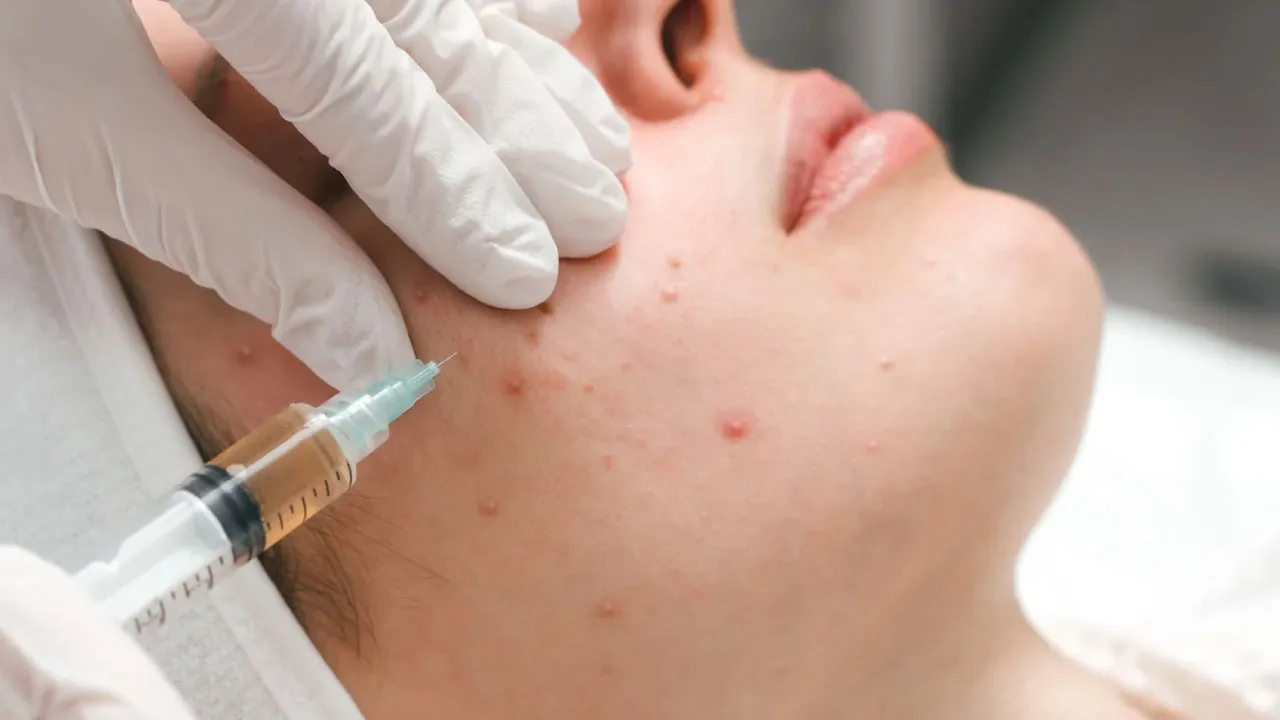
Intralesional injection places a small amount of medication directly into a skin lesion, bypassing the systemic route for targeted, controlled treatment. Dr. Eram Razzaq uses triamcinolone acetonide for keloids and hypertrophic scars, and may combine it with 5-fluorouracil for resistant cases. Treatment is also used for alopecia areata, cystic acne nodules, and selected inflammatory plaques after dermatologist confirmation.
Suitability is confirmed after skin examination, medical history, lifestyle review, and realistic expectation setting.
Dermatologist consultation and full lesion assessment.
Cleaning and marking the injection site.
Small-volume injection into the lesion using sterile technique.
Aftercare instructions and next session planning.
A clear appointment pathway helps you understand assessment, procedure planning, recovery guidance, and follow-up before booking.
Dermatologist consultation and full lesion assessment.
Cleaning and marking the injection site.
Small-volume injection into the lesion using sterile technique.
Aftercare instructions and next session planning.
Patient feedback focused on consultation quality, comfort, aftercare guidance, and realistic treatment planning.

“Very smooth consultation. Dr. Eram explained why intralesional injection was suitable and what I should expect after the session.”
“I was nervous before visiting, but the doctor checked my concern carefully, explained the treatment steps, and gave simple aftercare instructions. The visit felt organized, clean, and professional.”
“Clear guidance and no rushed treatment.”
“The team guided me about session planning, recovery time, and follow-up. I appreciated the realistic expectations instead of over-promising instant results.”
“My concern was discussed in detail, and the clinic team made the whole process easy to understand from consultation to aftercare.”
These answers are general guidance. Your actual plan depends on examination, skin type, medical history, and treatment suitability.
It is used for keloids, hypertrophic scars, alopecia areata patches, cystic acne nodules, and selected inflammatory skin lesions after dermatologist assessment.
Triamcinolone acetonide (a corticosteroid) is most commonly used. For resistant keloids, it may be combined with 5-fluorouracil.
Most keloids need 3 to 6 sessions spaced 4 to 6 weeks apart, depending on lesion size, thickness, and response.
A brief stinging or pressure is felt during injection. Topical numbing is rarely required for small or moderate lesions.
It can significantly reduce keloid height and symptoms. Complete resolution depends on lesion age, location, and individual skin response.
Minimal. Some mild soreness or redness may be present for 24 to 48 hours after injection.
High concentration or overly frequent injections may cause mild skin atrophy — which is why precise dosing by the dermatologist is important.
Patients with active infection, known drug hypersensitivity, or uncontrolled systemic conditions may need alternative approaches.
Yes. Intralesional corticosteroids are a first-line treatment option for localized alopecia areata patches.
Yes. The dermatologist must assess and confirm the lesion diagnosis before planning treatment.
Share your concern and the clinic team will guide you about appointment availability, suitability review, and the next step with Dr. Eram Razzaq.