
Skin assessment
Skin and pigmentation assessment including Fitzpatrick classification.
Picosecond laser technology for pigmentation, melasma, post-acne marks, acne scars, and skin brightening with reduced thermal exposure.
Pico laser delivers ultra-short picosecond laser pulses that shatter pigment particles mechanically rather than thermally — reducing heat exposure to surrounding tissue while achieving effective pigment clearance. At Skin Clinic by Dr. Eram Razzaq, Pico laser is used for melasma, sun spots, post-inflammatory hyperpigmentation, acne marks, and general skin tone improvement.
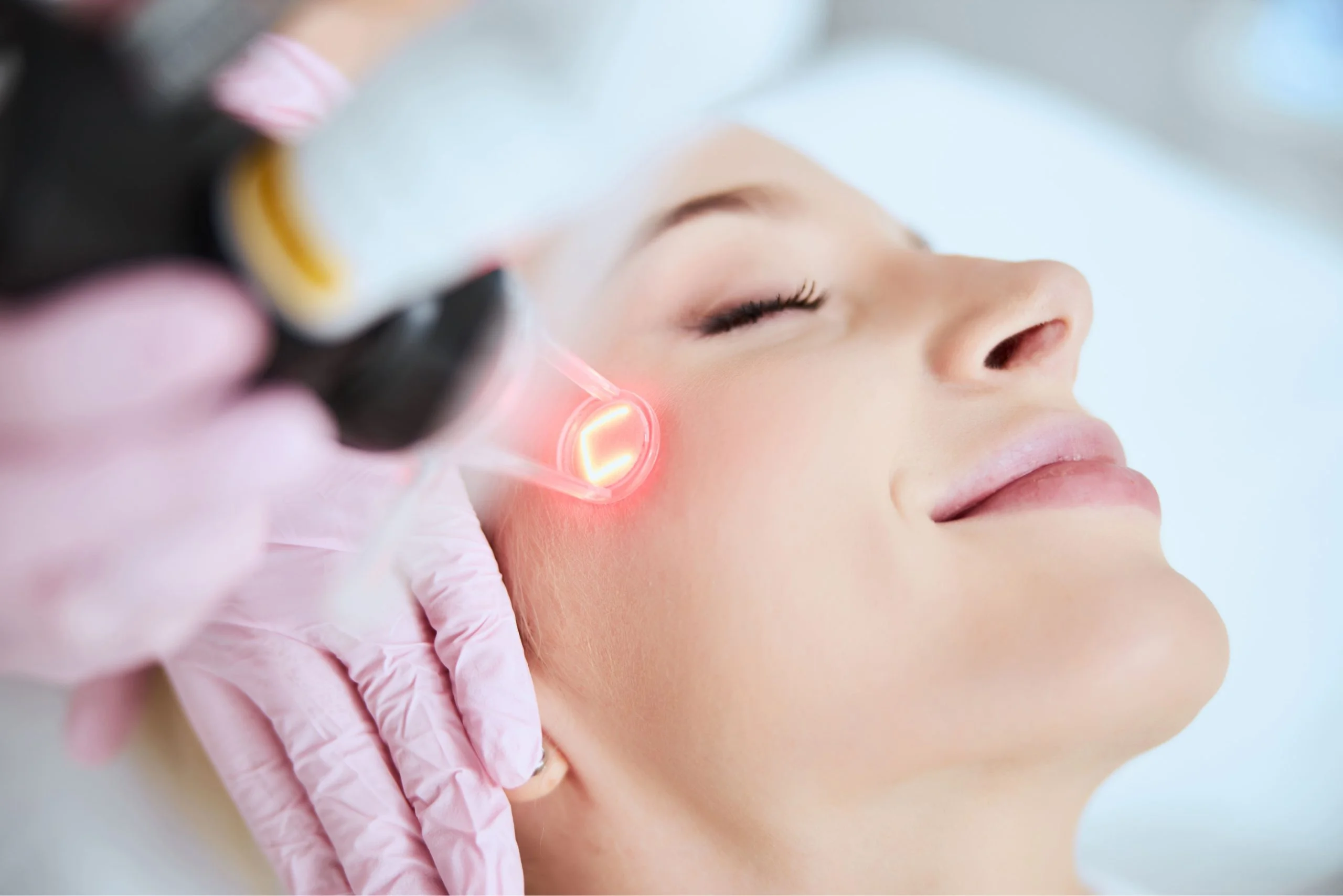
Pico laser (picosecond laser) uses ultra-short pulse durations (measured in picoseconds — trillionths of a second) at wavelengths of 755nm, 532nm, and 1064nm to target melanin and pigment deposits in the skin. The photomechanical effect shatters pigment granules into tiny particles that are cleared by the body naturally — with less risk of post-inflammatory hyperpigmentation compared to older nanosecond lasers. At Skin Clinic by Dr. Eram Razzaq, Pico laser is planned after diagnosing the pigmentation type, as melasma in particular requires careful assessment before any laser treatment.
Suitability is confirmed after skin examination, medical history, lifestyle review, and realistic expectation setting.
Skin and pigmentation assessment including Fitzpatrick classification.
Eye protection and skin preparation.
Pico laser passes at selected wavelength and settings over the treatment area.
Cooling, SPF 50 application, and post-laser care instructions.
A clear appointment pathway helps you understand assessment, procedure planning, recovery guidance, and follow-up before booking.
Skin and pigmentation assessment including Fitzpatrick classification.
Eye protection and skin preparation.
Pico laser passes at selected wavelength and settings over the treatment area.
Cooling, SPF 50 application, and post-laser care instructions.
Patient feedback focused on consultation quality, comfort, aftercare guidance, and realistic treatment planning.

“The consultation was clear and calm. I understood what the procedure could do, what it could not do, and how to care for my skin afterward.”
“Dr. Eram checked my skin properly before suggesting treatment. The explanation felt honest and practical.”
“Clean clinic, respectful staff, and simple aftercare instructions.”
“I liked that the treatment plan was not rushed. They explained session spacing, expected recovery, and follow-up clearly.”
“My skin concern was discussed in detail. The team made the complete journey easy to understand, from assessment to aftercare and review.”
These answers are general guidance. Your actual plan depends on examination, skin type, medical history, and treatment suitability.
Pico Laser treats sun spots, freckles, age spots, post-inflammatory hyperpigmentation, melasma, acne marks, and skin brightening.
Pico Laser uses much shorter pulse durations that shatter pigment mechanically with less thermal damage — reducing risk of post-laser pigmentation changes.
Yes, but melasma requires careful diagnosis, topical preparation, and sun protection — laser alone without this protocol can worsen the condition.
Patients feel snapping or heat sensations. Discomfort varies by setting and area but is generally well-tolerated.
Typically 4 to 6 sessions depending on pigmentation type, depth, and skin tone response.
Minimal. Mild redness and temporary spot darkening may occur but typically resolve within a few days.
Pico Laser can be safer than older lasers for medium skin tones, but careful settings and full assessment are still required.
Yes. Post-inflammatory hyperpigmentation from acne responds well to Pico Laser as part of a planned course.
Combination timing must be carefully planned by the dermatologist to avoid over-stimulating the skin.
Yes. Pigmentation type diagnosis, Fitzpatrick classification, and treatment history are essential before treatment begins.
Share your concern and the clinic team will guide you about appointment availability, suitability review, and the next step with Dr. Eram Razzaq.